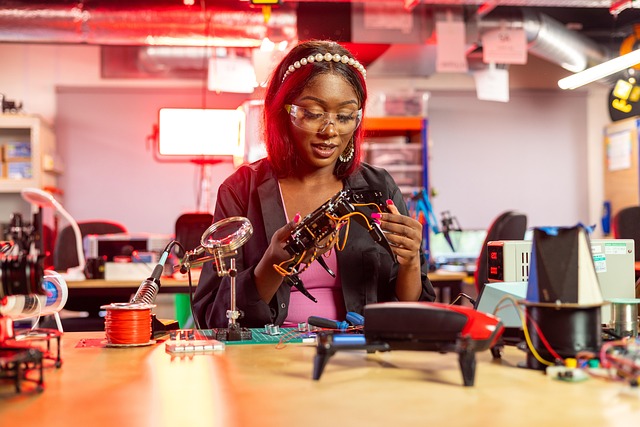
This course teaches craftsmanship and design skills. If you plan to sell products, you are responsible for compliance obligations and consumer safety requirements in your country.
Course overview
Beginner Jewelry Making is built for learners who want a confident start without confusion. You will learn the language of jewelry components, how to choose tools that make tasks easier, and how to assemble pieces that feel secure and comfortable. We focus on costume jewelry and gem-inspired accessories made from accessible materials, with an emphasis on neat finishes and repeatable steps. The course moves from tool handling into core techniques such as opening and closing jump rings, attaching clasps, using crimp beads, and making clean wire loops. Along the way, you will practise design basics including colour planning, balancing focal elements, and building sets that look coordinated. Each module ends with a small project so you can see progress quickly and keep motivation high. By the end, you should be able to plan and assemble several wearable pieces with a consistent look and a more professional finish, suitable for personal wear, gifts, or as early portfolio samples.
Tools and setup
Learn what each tool is for, how to hold it safely, and how to set up a small workspace that reduces mistakes and protects components.
Findings and connections
Understand jump rings, clasps, head pins, eye pins, crimps, and wire. Build reliable connections that hold up in everyday wear.
Design fundamentals
Plan colour and proportion, choose focal beads, and create balance. Learn how to keep pieces cohesive across a small set or collection.
Finishing and quality checks
Improve comfort and durability with tidy ends, secure closures, and quick inspection routines. Learn how to avoid common beginner failures.
Interested in this course?
Register with your name and email and we will send course updates and a recommended start plan.
What you will learn
The goal is to give you dependable, repeatable skills. You will practise with accessible materials and learn how to improve the finish so your work looks intentional. We focus on the techniques most often used in modern costume jewelry and home studio projects, with a strong emphasis on safe assembly, neat connections, and clean presentation.
-
Tool confidence
Choose practical tools and use them correctly to reduce slipping, scratches, and broken components.
-
Reliable connections
Open and close jump rings properly, attach clasps, and build connections that hold up in daily wear.
-
Basic stringing and crimping
Use flexible beading wire and crimp beads for secure ends, spacing, and comfortable fit.
-
Wire loops and dangles
Create neat loops for charms and bead drops using head pins and eye pins, with tidy ends.
-
Design planning
Plan a palette, choose a focal element, and create balance so pieces feel refined rather than cluttered.
-
Finishing and care
Smooth rough ends, check comfort, and learn simple care practices for longevity and better presentation.
If your goal includes selling, we provide practical educational guidance on consistency and presentation. We do not provide financial or legal advice and we do not guarantee business outcomes.
Required materials
You do not need an extensive kit to begin. The course is designed so you can start with a small set of reliable tools and a few basic components. We also explain substitutions and what to prioritise when you upgrade. Materials vary by project, but the list below represents a sensible beginner setup that supports most lessons.
Tools
- Chain nose pliers (or flat nose pliers)
- Round nose pliers for loops
- Flush cutters for wire and pins
- Beading mat or soft cloth to prevent rolling
- Small ruler or measuring tape for sizing
Components
- Assorted beads (glass, acrylic, or stone-effect)
- Jump rings and clasps (lobster or toggle)
- Head pins and eye pins
- Beading wire and crimp beads
- Earring hooks or posts (optional for earring projects)
Material quality note
We discuss how to identify smoother finishes, consistent sizing, and reliable metals for findings. This helps reduce breakage and improves the look, even when you are working with affordable materials.
Lesson structure
Lessons are video-based and organised into short modules so you can learn in small, consistent sessions. Each module demonstrates a technique, then applies it in a guided project. You will also receive clear checkpoints so you can self-review the quality of your work and correct issues early.
Module 1: Foundations
Placeholder durationTools, basic handling, component names, and setup habits that prevent common beginner errors. You will practise clean jump ring opening and closing.
Module 2: Stringing and fit
Placeholder durationBeading wire, crimps, spacing, and sizing for comfort. Build a bracelet or necklace project and learn quality checks for tension and security.
Module 3: Pins and loops
Placeholder durationCreate neat bead drops and connectors with head pins and eye pins. Practise consistent loop size and learn how to avoid sharp ends.
Module 4: Design and finishing
Placeholder durationColour planning and proportion, plus final finishing touches that elevate the look. Complete a coordinated set and review for comfort and durability.
Enrolment and registration
Use the simple registration form to receive course details and next steps.
By registering, you agree to our Privacy Policy.
Frequently asked questions
These answers cover common questions about the Beginner Jewelry Making course. For broader questions about learning paths, materials, or access, visit the full FAQ page.
Do I need experience to start this course?
No. This course starts from the basics, including tool handling and component names. If you have some experience, the finishing and quality checks can still help you improve results.
Do I need to buy a large kit?
No. We recommend a small set of core tools and explain substitutions. You can start with basic components and upgrade gradually as you discover what you enjoy making most.
Is there a certificate?
Some programmes may provide a completion acknowledgement. Certification expectations vary by country and industry, so we prioritise technique, finishing quality, and portfolio-ready pieces.
Can I use these skills for a small business?
The skills are useful for building consistent products and improving finish. Business outcomes depend on your market, compliance, and effort, and are not guaranteed. We share responsible educational guidance only.
Need help choosing a course?
Register and we will send a recommended learning path based on beginner goals.
Disclaimer
The information on this page is for educational purposes only. Course content is intended to teach jewelry-making techniques and creative design skills. Outcomes such as sales, income, or business performance depend on many factors including experience, market conditions, pricing, compliance obligations, and personal effort. We do not provide financial, legal, or investment advice.